Bin There, Played That: Chasing Five-Dollar Fever Dreams at the Thrift Store
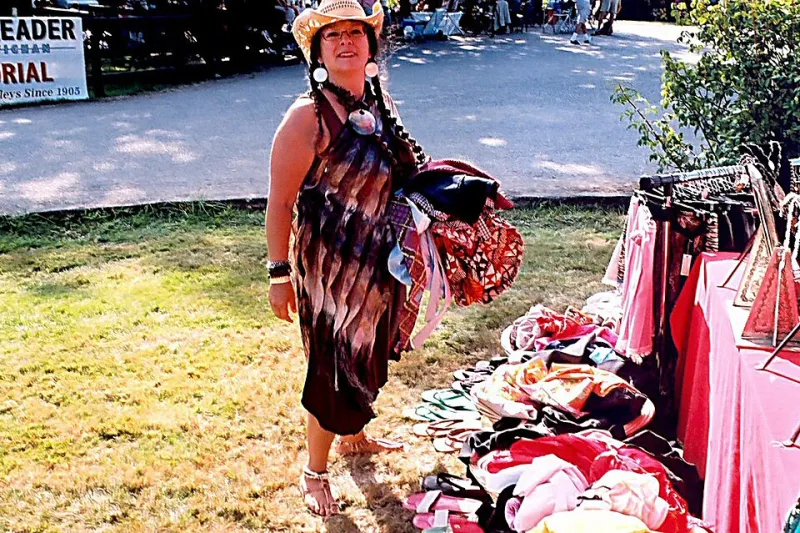
Photo: runran, CC BY-SA 2.0, via Wikimedia Commons
The fluorescent lights hum. The air smells faintly of cedar and someone else's garage. And there, wedged between a VHS of a workout video and a decorative plate commemorating a state fair, sits a jewel case with a cover so baffling that you forget, briefly, how to breathe.
It is a licensed game. It is five dollars. It is, without question, the best thing you will see all week.
The Bin Does Not Judge
Thrift stores in 2026 have become something strange and wonderful: the last uncurated marketplace in America. Nobody is optimizing them. Nobody is running an algorithm to surface the hidden gems. The inventory is whatever showed up in a donation bag on Tuesday, and the pricing philosophy is best described as vibes.
That is precisely why they matter. Every other corner of gaming is aggressively sorted — storefronts recommend, algorithms predict, communities rank. The bin simply does not care. It hands you a water-damaged copy of a 2004 movie tie-in and says, do something with this.
And you do. You buy it. You take it home. You put it on a shelf next to the other ones.
Licensed Garbage, Still Beautiful
The licensed tie-in is the great American folk art of video games. Somebody in a conference room in 1998 was told to make a game out of a movie that was not finished yet, starring characters whose likenesses they did not have the rights to, and they made it anyway, and it shipped, and it is now in your hands for the price of a fancy iced coffee.
These games are not good. They are not trying to be good. They are trying to be on a shelf at a Blockbuster before the movie leaves theaters, and they succeeded, and they are now a smalltime capsule of a very specific kind of corporate optimism.
The joy is in the seams. The voice acting that clearly features three people, one of whom is doing all the other voices. The loading screen with a typo. The horse that moves like a shopping cart with a broken wheel.
A Field Guide to Five-Dollar Finds
After years of dedicated bin-scouring, patterns emerge.
The Sports Relic. Comes in a case, disc pristine, because it was played exactly once at a birthday party in 2005. Worth nothing. Priceless.
The Mascot Platformer Nobody Remembers. A game starring an animal with an attitude and a catchphrase. The catchphrase appears on the box three times. The franchise lasted one installment.
The Fitness Game With The Peripheral. Usually missing the peripheral. Sometimes the peripheral is the only thing in the box.
The Mystery PC Disc. Label hand-written in marker. Contents unknown. Handle with caution and, ideally, a virtual machine.
The Genuine Gem. Buried at the bottom, mispriced, sleeve cracked, disc flawless. This is why you keep coming back. This is why you will never stop.
The Thrill Is in the Digging
Online shopping has trained us to expect exactly what we searched for. Thrift stores offer the opposite pleasure: the accidental discovery. You did not know you needed a 1997 point-and-click adventure about a haunted laundromat. The universe decided you did, and left it in aisle four for you, and you nearly walked past it.
That is the whole game. Not the game in the case — the game of finding the case. The bin is a slot machine with better odds and worse lighting, and when it pays out it pays out in the currency of stories you will tell at parties for the rest of your life.
Why We Need the Weird Stuff
Streaming libraries are infinite and sterile. Nothing in them is truly forgotten, because nothing can be. The thrift store is where the actual forgotten things live, waiting to be remembered by someone with five dollars and an open mind.
So go. Go early on a Saturday. Bring cash and hand sanitizer. Dig past the sports games and the duplicate copies of the same dance title. Somewhere down there is a jewel case with a cover so strange it will follow you home.
Five dollars. One fever dream. Chewing through the weird, one bin at a time.