Glory, Guts, and Total Meltdowns: The Most Spectacular Speedrun Implosions in Gaming History

Photo by Photo by Mikhail Pushkarev on Unsplash on Unsplash
There is a specific kind of human being who looks at a video game — a piece of entertainment designed for casual enjoyment — and thinks, "What if I destroyed my mental health trying to finish this in twelve minutes?" These people are speedrunners. They are also, without question, our favorite flavor of unhinged.
At Mad Beavers, we have enormous respect for the grind. We also have enormous respect for chaos. Speedrunning delivers both simultaneously, which makes it basically the perfect sport. But for every triumphant world record, there are seventeen catastrophic implosions that the internet has lovingly preserved forever. Today, we celebrate those disasters.
The Controller Yeet: A Proud Tradition
Let's start with the physical casualties, because nothing captures the raw emotion of speedrunning failure quite like watching a $70 piece of hardware go airborne.
The speedrunning community has an almost ritualistic relationship with controller destruction. Runners will spend weeks — sometimes months — grinding a single route, memorizing frame-perfect inputs down to the millisecond, and then one random RNG event or a single misclick will undo six hours of a flawless run. The controller, naturally, pays the price.
There's a reason speedrunning highlight compilations on YouTube have titles like "Speedrunner Completely Loses It" racking up millions of views. Watching someone go from laser-focused concentration to full existential crisis in under three seconds is genuinely compelling television. The five stages of speedrun grief — denial, bargaining, the pause, the sigh, and then the launch — are as reliable as gravity.
The real tragedy? Controllers are expensive. The real comedy? Runners keep buying new ones anyway.
When the Game Breaks YOU Back
Here's the thing about exploiting a game's code to shave off seconds: the game doesn't always cooperate.
Some of the most legendary speedrun disasters happen when a runner discovers a brand-new glitch live on stream — except the glitch doesn't work the way they hoped. Instead of clipping through a wall and skipping an entire dungeon, they clip into a wall and get permanently stuck. Instead of triggering an out-of-bounds warp, they launch their character into a void that requires a full reset. The runner stares at the screen. Chat explodes with "OMEGALUL." Everyone processes what just happened together.
There's also the phenomenon of the "new tech" disaster, where a runner hears about a recently discovered skip, practices it approximately twice, and then attempts it mid-run on stream in front of thousands of viewers. The skip fails. The run dies. The runner delivers a fifteen-second silence that communicates more suffering than words ever could.
The Super Mario 64 and The Legend of Zelda: Ocarina of Time communities are particularly famous for this. Both games are so deeply picked apart that new glitches still surface years after release, and every single discovery is immediately tested by someone who probably should have slept first.
The Hardware Betrayal
Sometimes the game is fine. The runner is fine. The route is perfect. And then the equipment decides it's done.
Capture cards freeze. PCs crash mid-run. Consoles overheat and shut down at the absolute worst possible moment — specifically during a run that was tracking ahead of world record pace. Emulator users face their own special hell when a software update quietly breaks a glitch they'd been relying on for months.
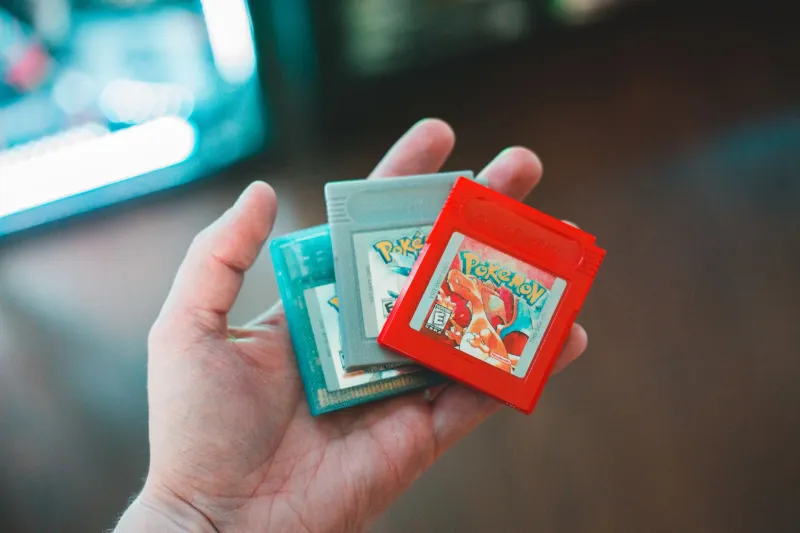
One particularly brutal category of disaster involves runners who use original hardware for authenticity or console-specific behavior, only to have a thirty-year-old cartridge decide today is the day it gives up. The save data corrupts. The cartridge loses its mind. The runner holds up the old gray rectangle and stares at it like it personally wronged them.
It did. It absolutely did.
The "Perfect Run" Curse
Every veteran speedrunner knows about the Perfect Run Curse, and every single one of them has experienced it personally.
You're deep into a run. Everything is clicking. Your early splits are green — not just green, dark green. You're ahead of your personal best by margins you've never seen before. Chat is going absolutely feral. Your hands are steady. Your mind is clear. This might actually be it. This might be the one.
And then you die to an enemy you've killed ten thousand times. Or you miss a single jump you could make in your sleep. Or the game, sensing your joy, spawns an enemy in a slightly different position and clips you into a wall.
The run ends. You sit very still. Chat types "F" in a cascade that fills the entire screen. You've never felt more seen and more alone simultaneously.
The Perfect Run Curse isn't superstition — it's statistics. The longer a run goes well, the more pressure accumulates, and pressure does things to human hands that no amount of practice fully eliminates. Speedrunning is partly a video game competition and partly a psychological endurance test, and the human brain is remarkably good at self-sabotage when stakes feel highest.
The Glitch That Wasn't
A special category of disaster deserves its own memorial: the runner who builds an entire run strategy around a glitch that turns out to be inconsistent, misunderstood, or just flatly impossible on their specific setup.
Speedrun tech spreads fast through Discord servers and forums, and sometimes information travels faster than verification. A runner will see a clip of someone pulling off a wild skip, assume it's replicable, spend two weeks incorporating it into their route — and then discover during a live attempt that the trick only works on a specific console revision, or only in Japanese, or only when a very particular set of conditions aligns that may never happen again.
The look on a runner's face when they realize this mid-stream is one of the purest expressions of human despair available in the entertainment landscape today.
Why We Love This So Much
Here's the honest truth: speedrunning disasters are so watchable because they're genuinely human. These aren't professional athletes falling on a big stage — they're regular people who cared about something so intensely that they poured hundreds of hours into mastering it. The failure hits hard because the investment was real.
There's also something weirdly inspiring about watching someone reset a six-hour run, take a deep breath, and immediately start another attempt. The resilience is actually kind of insane. Mad Beavers respects the chaos, but we also respect the grind — and speedrunners have both in abundance.
So here's to the controllers that didn't survive. The runs that died on the final screen. The glitches that worked exactly once and never again. The perfect paces destroyed by a single misclick. The hardware that chose violence at the worst possible moment.
You were all, in your own way, absolutely magnificent.
Now reset and go again.